
Parkinson's Fatigue: Why Strength and Endurance Both Matter

Fatigue is one of the most common and least talked about challenges in Parkinson's disease. Not the kind of tired you feel after a long day. Something heavier and more persistent.
Many people describe it as a tiredness that arrives before the day has really started. A drain on energy that makes simple tasks feel like they require more effort than they should. A heaviness in the limbs that shows up whether or not you've done anything physically demanding. And on top of the movement symptoms most people associate with Parkinson's, this kind of fatigue can quietly reshape how freely and fully someone lives their daily life.
What's frustrating is that fatigue in Parkinson's is often misunderstood, even by people who have been managing the condition for years. Many assume it's simply part of having Parkinson's and there's not much to be done about it. Others try to push through it with more activity, only to feel worse rather than better. And some get told to rest more, which sometimes helps in the short term but often deepens the problem over time.
Here's what the research and clinical experience both point to: fatigue in Parkinson's is connected to specific physical factors, primarily muscle weakness and poor endurance, and addressing both of those factors directly is one of the most effective ways to manage it.
This blog explains why fatigue happens with Parkinson's, what it looks like in daily life, and what you can do about it through the right kind of exercise.
Why Fatigue in Parkinson's Is a Physical Problem, Not Just a Feeling

Before we get into solutions, it's worth understanding what's actually driving fatigue in Parkinson's disease, because it's not as simple as just feeling tired.
Parkinson's affects the brain's production of dopamine, the chemical that helps the nervous system coordinate smooth, efficient movement. When dopamine levels drop, the brain has to work harder to initiate and sustain movement. Every step, every postural adjustment, every turn requires more conscious effort than it used to. The body is essentially spending more energy to do the same amount of work, and that extra expenditure adds up quickly.
At the same time, Parkinson's tends to cause muscle weakness over time. When muscles are weak, they fatigue faster during activity and recover more slowly afterwards. A task that a stronger muscle group could handle with minimal effort becomes a significant drain when those muscles have lost capacity. This is why people with Parkinson's often feel worn out after activities that seem minor from the outside, like walking through a store, cooking a meal, or attending a social event.
There's also an endurance component. The cardiovascular and muscular systems that allow a person to sustain activity over time both decline with inactivity, and inactivity is a natural response to movement that feels difficult. When someone moves less because moving is hard, their endurance drops, which makes movement feel even harder, which leads to moving even less. It's a cycle that compounds steadily if it's not interrupted deliberately.
These three factors, inefficient movement from dopamine disruption, muscle weakness, and reduced endurance, work together to create the pattern of fatigue that so many people with Parkinson's experience. And because they're physical factors, they respond to physical intervention. That's the foundation of everything that follows.
Now let's look at what this fatigue actually looks and feels like in daily life.
What Parkinson's Fatigue Looks Like When You're Living With It
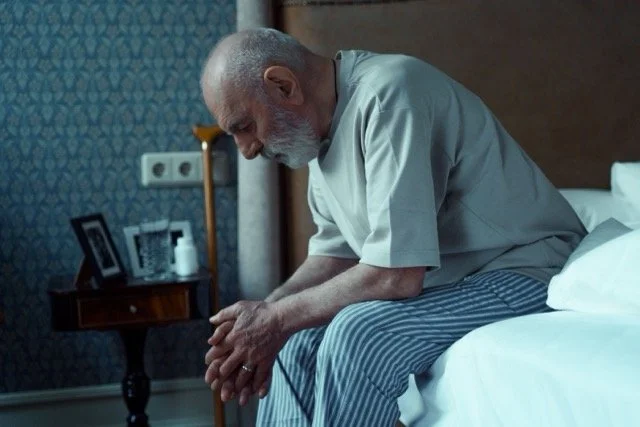
Parkinson's fatigue doesn't always look like someone lying on the couch unable to move. It often shows up in more subtle ways that are easy to misread or dismiss.
Here are some of the most common signs:
Feeling exhausted before the day has meaningfully started, even after a full night of sleep
Running out of energy well before completing routine tasks, like grocery shopping, cooking, or attending an appointment
Noticing that Parkinson's symptoms feel worse later in the day, with more tremor, stiffness, or shuffling as energy depletes
A heaviness in the arms and legs that arrives without any obvious physical cause
Needing significantly more recovery time after activities that used to feel manageable
Difficulty concentrating or thinking clearly alongside physical tiredness, since fatigue in Parkinson's often has both physical and cognitive components
Reduced motivation to move or engage in activities, not because of depression necessarily, but because the body has learned that movement costs a lot
Feeling that medication wears off sooner on days with more physical or social demand
Withdrawing from activities, events, or outings that used to be part of regular life because the energy cost feels too high
A general sense that the gap between what you want to do and what you can do is getting wider over time
That last point is worth sitting with. Fatigue in Parkinson's doesn't just affect how tired someone feels. It affects what they're able to participate in, who they spend time with, and how much of their life they can engage with on any given day. It narrows things.
The encouraging news is that targeted exercise, the right kind, done consistently, can push that boundary back. Let's talk about what that looks like.
How Strength and Endurance Training Help With Parkinson's Fatigue
The reason strength and endurance both matter for fatigue management comes down to a simple principle: when your muscles are stronger, and your body can sustain activity longer, everything requires less effort. And when things require less effort, you have more energy left over for the rest of your day.
Here's how to approach it.
1. Build Strength to Reduce the Energy Cost of Movement
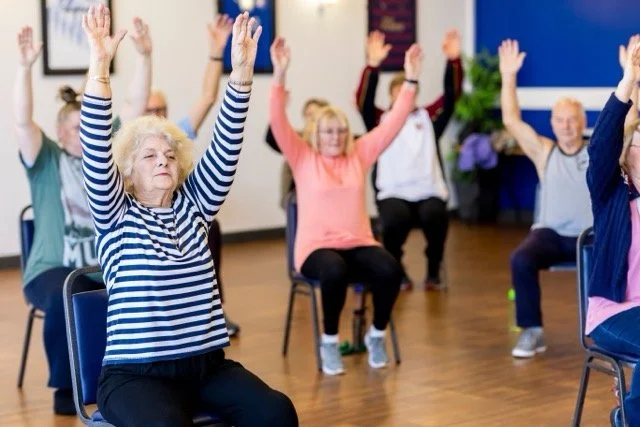
Weak muscles spend more energy doing the same job that stronger muscles do with less. This is especially true in Parkinson's, where movement is already less efficient than it should be.
Strengthening the muscles most involved in daily movement- the legs, hips, glutes, core, and upper back- directly reduces how much energy routine tasks consume. When standing up from a chair requires less effort from stronger legs, that saved energy stays available for the next task. Multiply that across dozens of movements throughout the day, and the impact on overall fatigue is significant.
Functional strength exercises like sit-to-stand repetitions, step-ups, mini squats, and standing hip work are the most direct way to build the muscle capacity that daily life demands. These movements train exactly the muscle groups that Parkinson's weakens first and that fatigue hits hardest.
2. Improve Movement Efficiency With Amplitude-Based Training
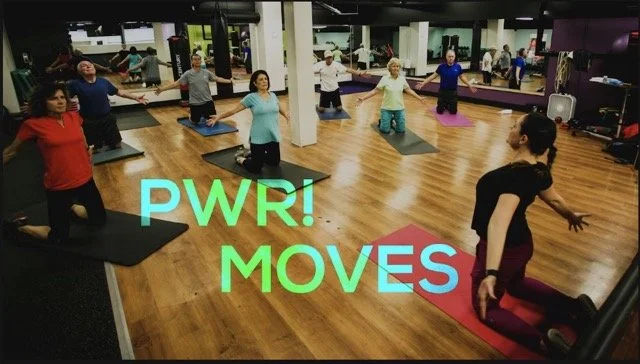
One of the core reasons Parkinson's is so tiring is that the brain underestimates how much effort and range of motion movement requires. Movements become smaller and less efficient, which means the body compensates by working harder to get the same result.
Amplitude-based training, which involves practicing movements that are deliberately larger than what feels natural, directly addresses this. When you train with bigger steps, fuller arm swings, and upright posture, you're retraining the brain's movement signals to recognize larger, more efficient patterns as normal.
This is the principle behind efficient movement strategies for Parkinson's like PWR! Moves, a Parkinson's-specific framework that focuses on four fundamental movement patterns: rising from the floor, shifting weight, stepping, and reaching. When these patterns are practiced with full amplitude, the body learns to move more efficiently, and more efficient movement means less energy spent on the same activity. That reduction in energy cost is one of the most direct ways exercise addresses fatigue at its source.
3. Build Endurance to Raise Your Activity Threshold
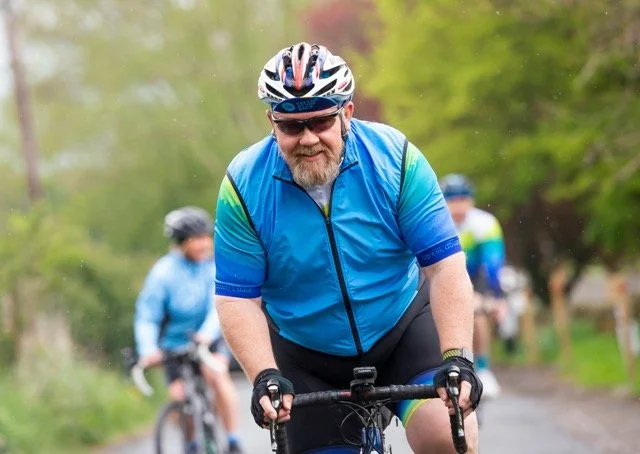
Endurance training raises the point at which the body starts to fatigue. When your cardiovascular and muscular systems become more conditioned, the same level of activity demands less from them. A walk that used to drain you by the halfway point starts to feel manageable all the way through. An afternoon of activity that used to leave you exhausted starts to feel sustainable.
Consistent cardio-based movement is one of the most effective tools for building this kind of aerobic endurance. This doesn't mean pushing hard or doing intense workouts. It means sustained, moderate activity done regularly over time, walking, cycling, dancing, or any movement that keeps the body active for twenty minutes or more at a comfortable pace.
The key is consistency over intensity. Short sessions done frequently build endurance more effectively than occasional longer efforts, and they do so without depleting energy reserves in a way that makes fatigue worse rather than better. Cardio is a valuable tool in managing Parkinson's fatigue, but it works best as part of a broader plan that also includes strength and movement efficiency work, not as the only strategy.
4. Understand When Intensity Has a Role and When It Doesn't
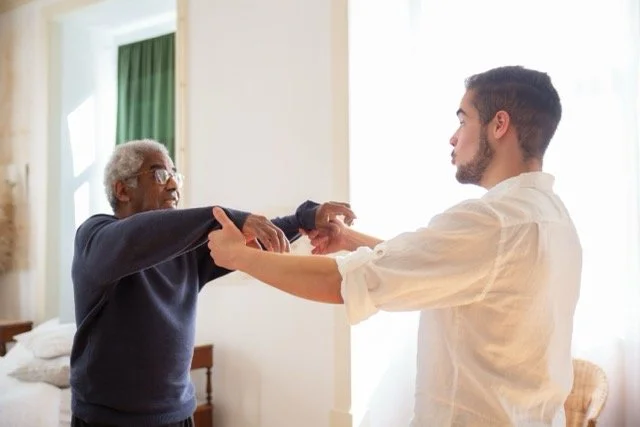
There is research supporting the use of higher-intensity exercise in Parkinson's for specific outcomes like neuroplasticity and motor function. But intensity is a tool, not a requirement, and it's not always the right tool for managing fatigue.
For someone whose primary challenge is low energy and fatigue, starting with moderate, sustainable training is more appropriate than jumping into demanding sessions. Understanding when higher-intensity exercise may be appropriate for Parkinson's can help you and your care team decide whether to incorporate more demanding work into your routine, but it should come after a solid base of strength and endurance has already been established.
Pushing too hard too soon often worsens fatigue rather than improving it. The goal is to find the level of challenge that produces adaptation without overwhelming the system. Harder is not always better, and for fatigue specifically, sustainable is almost always more effective than intense.
5. Pace Your Activity Across the Day

Energy management is as important as exercise when it comes to fatigue. Many people with Parkinson's spend their best energy early in the day on tasks that could be spread out, and then find themselves depleted before the afternoon.
Pacing means distributing activity across the day in a way that keeps energy reserves from bottoming out. This might look like alternating between more demanding tasks and lighter ones, building in short rest breaks before fatigue becomes severe rather than after, and saving some energy for the activities that matter most to you personally.
Exercise supports pacing by increasing the total energy available. When your overall capacity is higher, managing how you spend it throughout the day becomes easier.
6. Time Exercise Around Your Medication Window
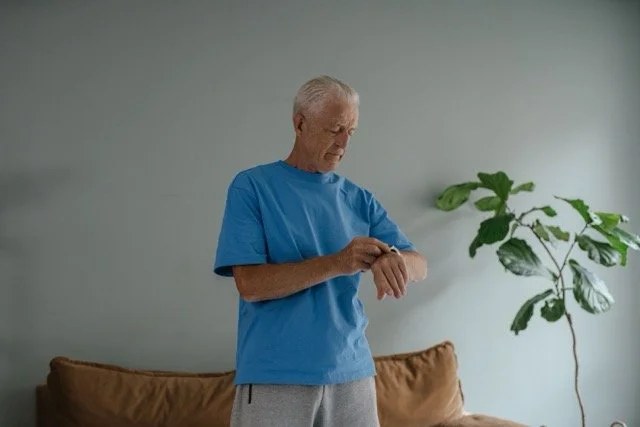
Most people with Parkinson's have a window of one to two hours after taking medication when movement feels most efficient and least effortful. Scheduling exercise during this window means the body is working at its best, which makes sessions more productive and more energizing rather than more depleting.
Training when symptoms are better managed also means better movement quality during exercise, which reinforces the amplitude and efficiency principles that reduce fatigue over time.
7. Prioritize Sleep and Recovery
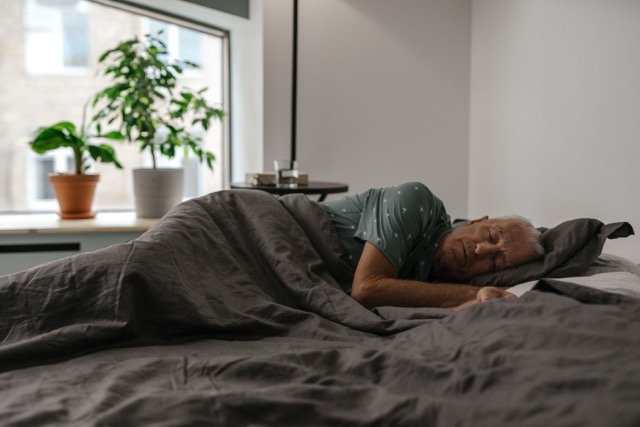
Exercise builds capacity. Sleep and recovery are where that capacity is actually restored. Poor sleep, which is extremely common in Parkinson's, undermines the benefits of exercise by preventing the body from recovering fully between sessions.
While improving sleep with Parkinson's can be complex and often requires medical support, protecting sleep habits, keeping a consistent schedule, limiting stimulation before bed, and avoiding exercise too close to sleep time all contribute to better recovery and more available energy the next day.
These strategies work together rather than in isolation. Strength supports endurance. Endurance supports energy management. Better energy management supports consistent exercise. And consistent exercise builds more strength and endurance. When the cycle runs in the right direction, fatigue becomes more manageable over time.
Getting that cycle started and keeping it going is where the right program makes a real difference.
How Rogue Physical Therapy & Wellness Helps With Parkinson's Fatigue
At Rogue Physical Therapy & Wellness, managing fatigue in Parkinson's is something we approach from every angle. We understand that fatigue is not a single problem with a single solution, and our programs reflect that by combining strength, endurance, movement efficiency, and pacing within a structure that's built specifically for people with Parkinson's.
We offer two ways to train, depending on what fits your life.
In-Person Training at Rogue Physical Therapy & Wellness
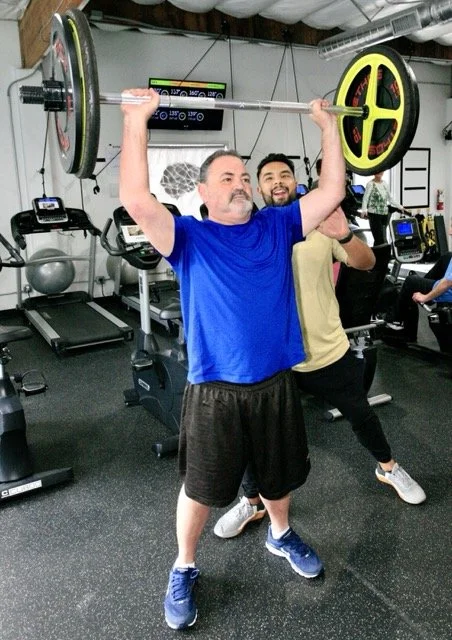
Our in-person program at Rogue Physical Therapy & Wellness in Orange County is led by neurologic physical therapists who specialize in Parkinson's care. Fatigue management is built into the session structure, not as a separate module but as a principle that shapes how every session is designed and paced.
Training in person means your therapist can observe how your energy holds up across a session, identify the point where effort is productive versus depleting, and adjust accordingly. That kind of individualized pacing is especially important for people managing fatigue, where the line between beneficial challenge and counterproductive overexertion is different for everyone and changes from day to day.
Members benefit from:
Guidance from Parkinson's-specialized neurologic physical therapists
Sessions that combine strength, endurance, amplitude, and functional movement
A structured weekly schedule with approximately 40 classes per week across multiple levels
Real-time feedback that keeps effort levels appropriate for your current energy
A program that adapts as your strength, endurance, and fatigue patterns change
A community of people who understand what managing Parkinson's actually involves
Many members find that their daily energy improves within the first several weeks of consistent training. Tasks that used to drain them start feeling more manageable. Afternoons that used to feel depleted start feeling more available. That shift doesn't happen all at once, but it happens, and it's the direct result of building the physical capacity that fatigue had been eroding.
Online Training Through Rogue in Motion

For those who live outside Orange County or prefer to train from home, Rogue in Motion brings the same Parkinson's-specific approach directly to you through live Zoom classes and an extensive on-demand library.
All sessions are led by physical therapists who understand how Parkinson's affects energy and movement. The program includes strength training, endurance-focused classes, PWR! Moves-based sessions, and more, all designed around the realities of Parkinson's rather than general fitness principles.
Here's what Rogue in Motion members have access to:
Live Zoom classes five days a week across strength, cardio, balance, gait, and functional movement
Over 3,000 on-demand videos for Parkinson's-specific training available any time
The flexibility to train during your best medication window and peak energy time
Sessions that build strength and endurance progressively without overwhelming your system
Interactive Q&A sessions with a neurologic PT for personalized guidance on managing fatigue
A supportive community that helps you stay consistent even on harder days
The flexibility of online training is particularly valuable for fatigue management because fatigue fluctuates. Some days the energy is there. Other days it isn't. With on-demand options available at any time, you can match your training to what your body has available that day, keeping the habit going without pushing past what's appropriate.
Both in-person and online training share the same goal: helping people with Parkinson's build the physical capacity to feel less limited by fatigue and more able to participate in the life they want to live.
Final Thoughts: Fatigue Is Manageable When You Address the Right Things
Fatigue in Parkinson's is real, it's specific, and it's connected to physical factors that exercise can directly address. When your muscles are stronger, movement costs less. When your endurance is better, you can sustain more before depleting. When your movement is more efficient, your body stops spending extra energy compensating for patterns that Parkinson's has made smaller and harder.
None of this happens overnight. But it does happen, and it happens faster with the right structure, the right guidance, and the consistency to let the adaptations build over time.
You don't have to accept fatigue as a fixed part of living with Parkinson's. Start with the strategies here, build from what you can sustain, and seek out the kind of support that's built around what people with Parkinson's actually need.
Rogue Physical Therapy & Wellness is here for that, whether in person in Orange County or online through Rogue in Motion.