
A Simple Guide to Parkinson’s Exercise Frequency
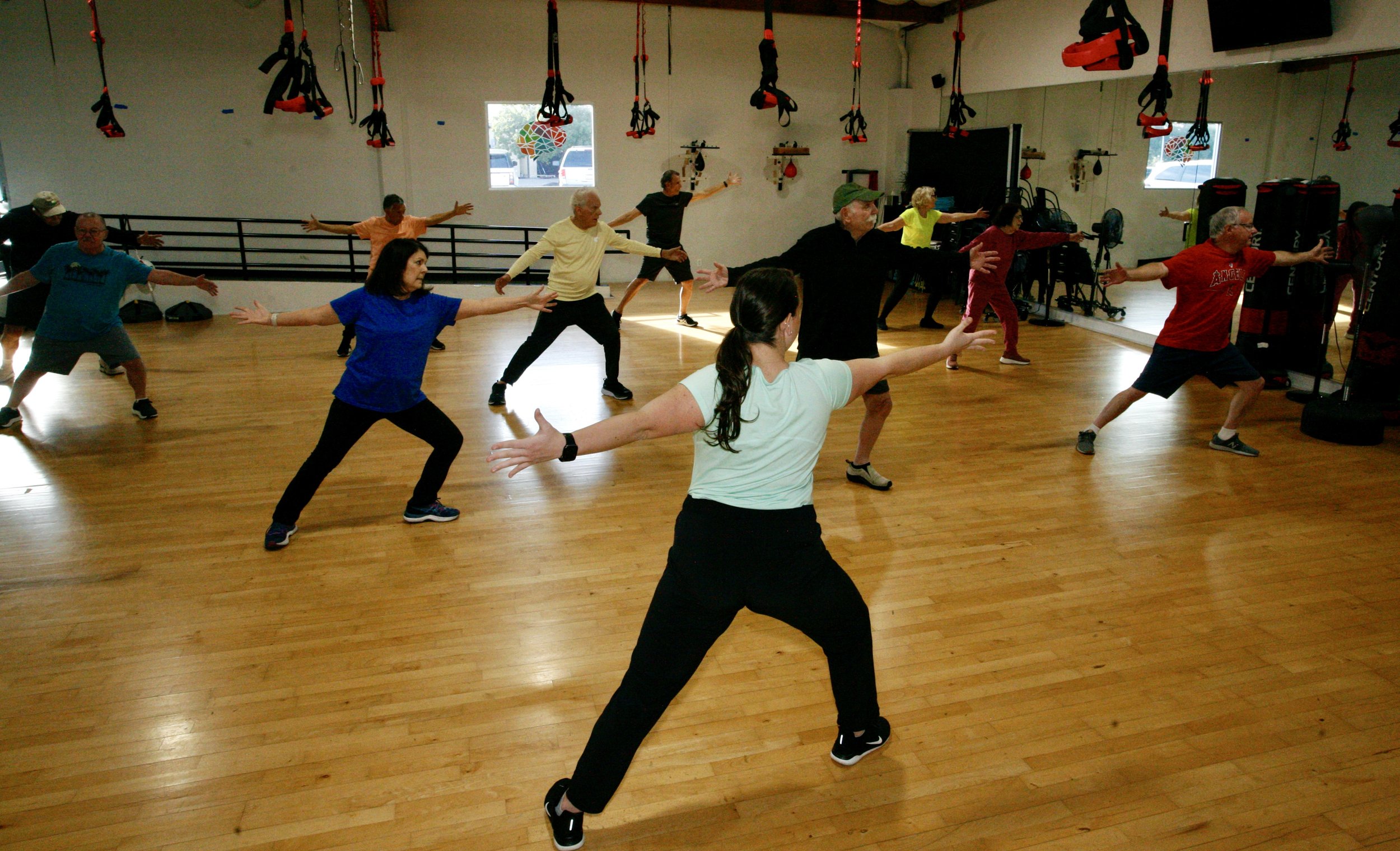
Living with Parkinson’s often means navigating changes in balance, coordination, energy, and the way movement feels from day to day. Exercise helps improve all of these, but there’s still one question almost everyone asks at some point:
How often should I exercise to achieve real results?
That question matters because progress rarely comes from a single workout. It comes from a rhythm your body can trust. When your routine is steady, your steps feel stronger, your posture feels taller, and daily tasks feel a bit easier. When your schedule is inconsistent, maintaining those gains becomes harder.
This blog breaks down what research, clinical experience, and real-life stories all point to: the right exercise frequency can make a meaningful difference in how your body moves every day.
And if you pair a good schedule with movements proven to help people with Parkinson’s, like amplitude-based Parkinson’s exercises found in programs such as PWR! Moves, you create even more potential for improvement.
Before we talk about solutions, it helps to understand the problem people often face with exercise frequency.
Inconsistency and Uncertainty About How Often to Exercise

Most people with Parkinson’s know exercise is important, but knowing how often to train is a whole different challenge. Some worry about doing too much, especially if fatigue or stiffness shows up. Others worry about doing too little, especially when symptoms feel more noticeable during the week. And between those two extremes is a confusion that keeps people from building a routine that truly supports their body.
Another part of the problem is that everyone’s day looks different. Some mornings feel smooth. Other days feel slow. Mobility can shift depending on sleep, medication timing, stress, or even small changes in your routine. Because of that, many people fall into a pattern where they exercise only when they feel “good enough,” which often leads to long gaps in training.
The real issue isn’t lack of motivation. It’s not knowing the right rhythm to follow. That uncertainty makes it harder to build momentum, and without momentum, the benefits of exercise don’t accumulate the way they could.
Now let’s look at how this inconsistency often shows up in daily life.
What Inconsistent Exercise Looks Like

When exercise frequency isn’t steady, the effects show up in small but important ways. You might notice:
• More stiffness in the morning when getting out of bed
• Slower steps or shorter stride length
• More effort needed to turn or change direction
• Increased fatigue by early afternoon
• A sense of unsteadiness when starting to walk
• Reduced confidence in movement, especially in crowded or busy spaces
• A feeling that medication “wears off” faster during inactive weeks
• Increasing difficulty doing the little things that used to feel natural
These symptoms don’t appear because you’re doing exercise wrong. They appear because the nervous system responds best to regular and repeated practice. Just like learning a new skill, your brain and body need consistent signals to maintain the improvements you gain from movement.
The good news is that the opposite is also true. When your exercise frequency is steady, daily tasks feel smoother, and your body responds better. And that’s exactly what we’ll talk about next.
How Often Should You Exercise With Parkinson’s?
Now that we’ve identified the problem and the symptoms, let’s move into the solutions. We’ll start with generic exercise recommendations, then shift into how you can apply these principles inside our programs at Rogue Physical Therapy & Wellness.
How to Build a Parkinson’s Exercise Routine That Works
1. Aim for 4 to 6 days per week of intentional movement
Most experts in Parkinson’s rehabilitation recommend exercising most days of the week, with short rest days in between. Training 4 to 6 days per week helps your body maintain the improvements in balance, strength, walking speed, and coordination.
This doesn’t mean every day needs to be intense. It means your body benefits from regular practice, so the nervous system stays engaged and responsive.
2. Mix intensity levels throughout the week
You don’t need to push at a high intensity every day. A sustainable schedule might look like:
• 2 days: higher intensity cardio or boxing
• 2 days: strength or amplitude-focused sessions
• 1 to 2 days: lighter movement such as stretching, mobility, or gentle balance work
This mix keeps your muscles strong, your heart healthy, and your movements sharper without overwhelming your energy.
3. Keep sessions between 20 to 60 minutes
Short sessions count. What matters most is consistency. Even 20 minutes of focused training can support posture and balance. Longer sessions are helpful when energy is good, but they aren’t required to see progress.
4. Include activities that support walking and balance
For many people, walking becomes slower or smaller over time. That’s why exercises that focus on bigger, intentional movement patterns help. These movements reinforce the quality of your steps during daily life.
If you want examples of amplitude-based Parkinson’s exercises, you can explore the resource linked earlier to see how physical therapists apply these principles in PWR! Moves. The goal is not to copy the techniques here, but to understand that big, intentional movement teaches the body to move with more confidence.
5. Protect one rest day each week
Rest helps your body recover, but too many rest days in a row can disrupt your progress. Try to leave only one day with no structured exercise. Light movement is still helpful on days when you feel low energy.
6. Schedule your workouts around your best medication window
Most people feel their smoothest within one to two hours after taking medication. Planning exercise during this window feels easier and safer.
These guidelines create a rhythm your body can rely on. But what if you want help staying consistent? That’s where structured programs come in.
To help you visualize the next step, let’s explore how a supportive program can take these principles and turn them into a routine that actually sticks.
Where Our Programs Fit In: Building a Routine You Can Actually Stick To
A good Parkinson’s exercise routine isn’t just about knowing what to do. It’s about knowing how often, how to pace yourself, and how to keep the habit going week after week. That’s why we offer two different ways for people with Parkinson’s to train: an in-person program for those who want hands-on support, and an online program for those who want flexibility from home.
Both paths share the same mission: make consistent exercise easier, more enjoyable, and more effective. The difference is how you access it.
1. Training In-Person at Rogue Physical Therapy & Wellness in Orange County
Our in-person center in Orange County is a dedicated Parkinson’s training environment led by neurologic physical therapists. The space is designed so you can move freely, work on skills that matter for daily life, and build confidence in a supportive community.

Members who train in person benefit from:
• Guidance from Parkinson’s-specialized physical therapists
• Exercise sessions that target balance, strength, stamina, and voice
• Real-time feedback and encouragement
• A structured weekly schedule (about 40 classes per week across several levels)
• A program that adapts as your needs change
The in-person experience gives you energy and accountability. You’re working alongside others who get what you’re going through, and the routine makes it easier to train multiple days per week, so exercise frequency stays on track. For many people, that rhythm is where real progress happens.
When you leave class, you don’t just feel like you checked off a workout. You feel like you’re building skills that transfer to daily life: steadier steps, smoother turns, better posture, and more confidence in public spaces. From there, we can transition to how someone might stay consistent even outside the gym.
2. Exercising From Home Through Rogue in Motion
If you don’t live near Orange County or prefer not to commute, our Rogue in Motion online membership brings structured Parkinson’s exercise directly into your home. It combines physical therapy principles with a library of follow-along workouts, so you always know what to do each day.
Here’s how Rogue in Motion supports exercise frequency:
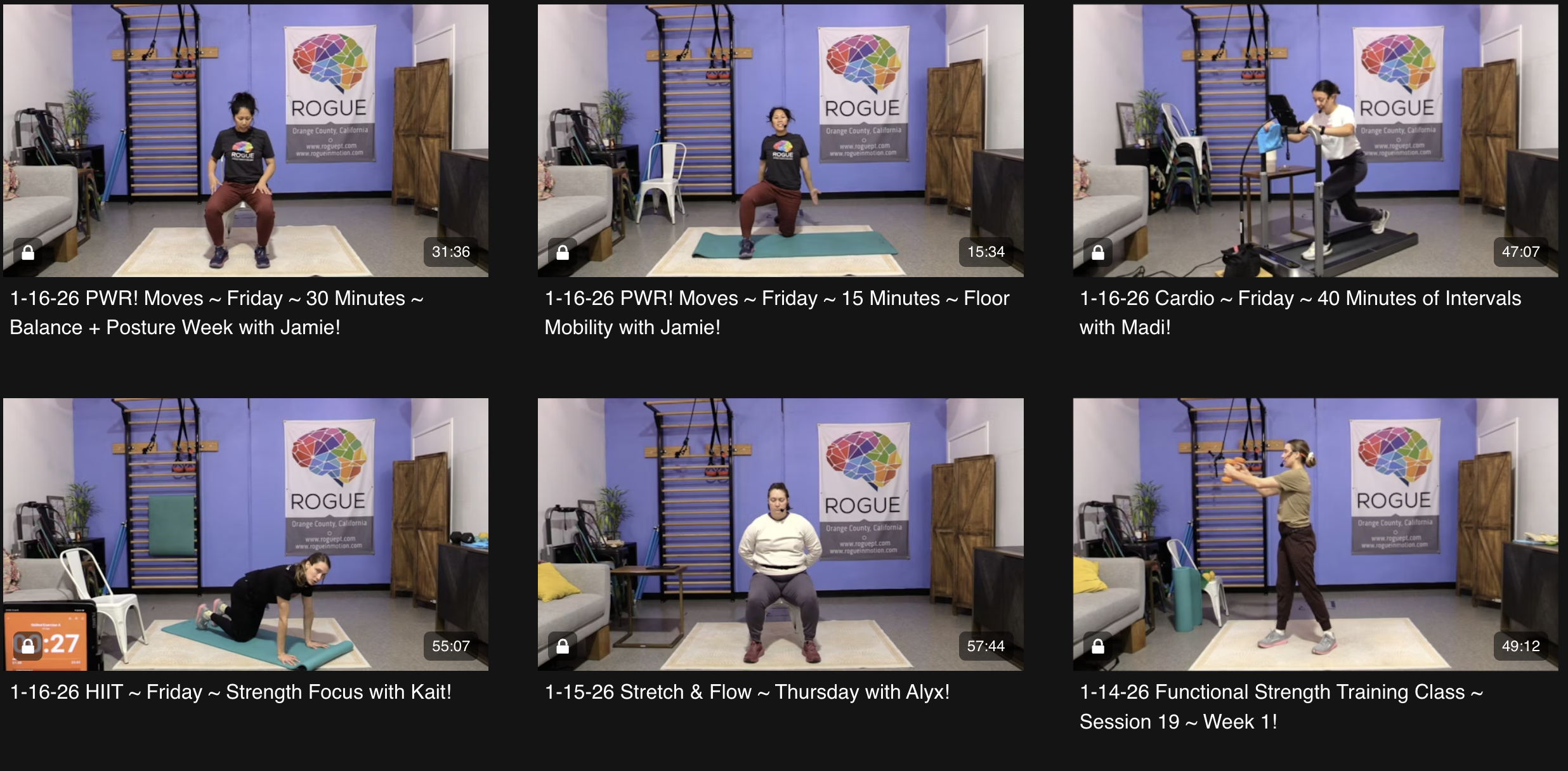
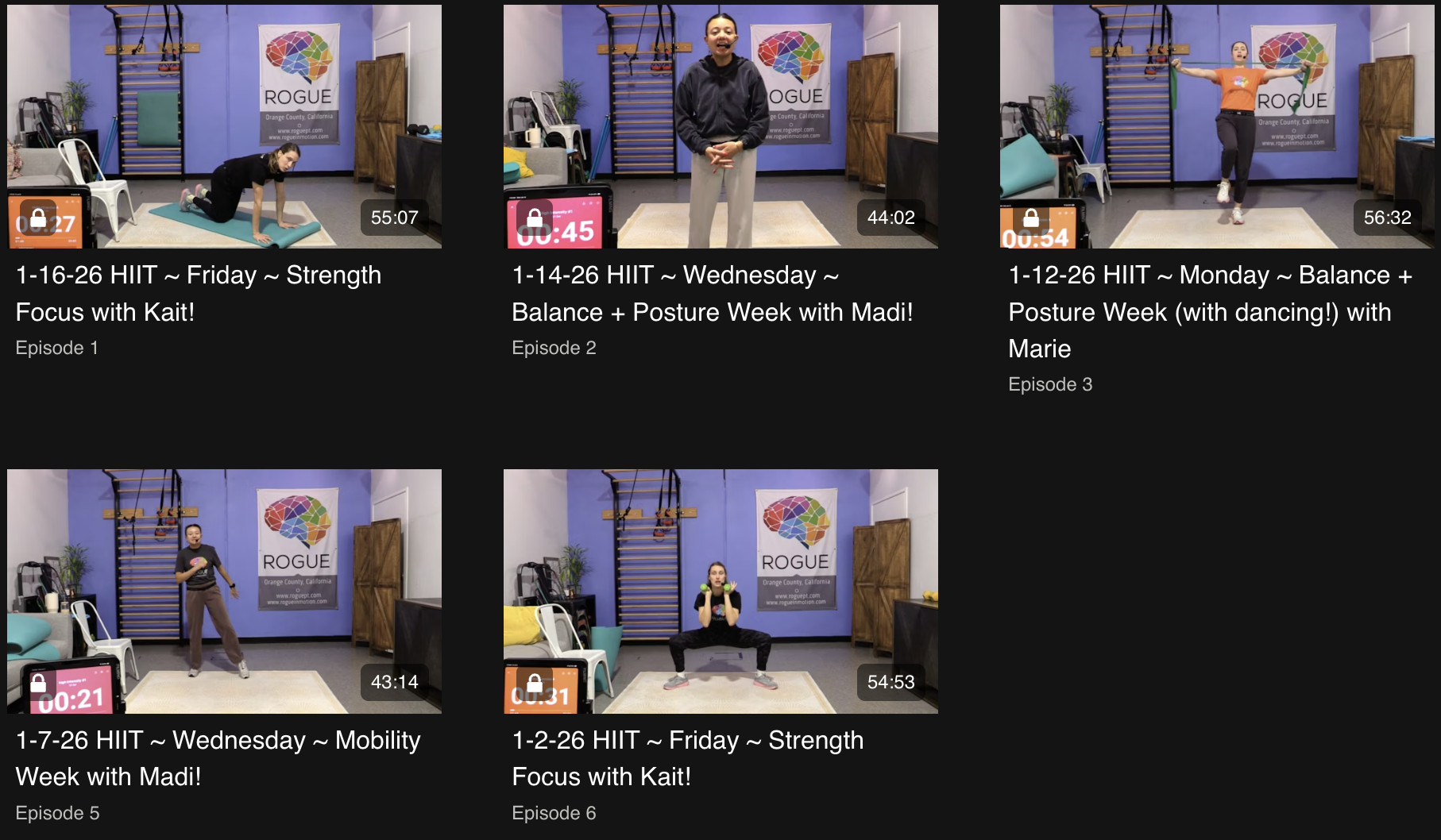
• Live Zoom classes five days a week to create a routine
• On-demand videos available anytime, so you never miss a day
• Over 3,000 follow-along videos for Parkinson’s-specific training
• A variety of class types, including strength, boxing, cardio, balance, and speech
• Interactive Q&A sessions with a neurologic PT for personalized guidance
• A community that keeps you motivated and consistent
The biggest advantage of training online is flexibility. Some members prefer a morning routine before medication kicks in. Others exercise midday during their peak medication window. Some spread out short sessions across the week. With on-demand options, you can match the training to your schedule without losing frequency.
You also don’t have to guess what to do. The classes are planned for you, so the weekly structure already reflects the ideal balance of intensity, recovery, and variety. That alone makes it easier to train four to six days per week without the mental load of planning.
Whether you join in-person or online, the goal is the same: help you move often enough to feel steady, strong, and supported in your daily life. And now that we’ve made this distinction clear, we can bring the whole concept home.
Final Thoughts: Small Steps, Steady Rhythm
Exercise frequency is one of the most important parts of managing Parkinson’s. Training most days of the week helps sharpen movement, improve balance, and increase confidence. You don’t need long or complicated sessions. You just need a rhythm that fits your life and supports your body.
Start with small steps. Choose four or five days to move with intention. Mix lighter days with stronger ones. Follow a routine that’s simple enough to continue even on low-energy days.
If you want guidance on how to put all of this into practice, you can explore our resources, join our classes, or try a structured program that helps you stay consistent.