
Parkinson’s Digestive Health: How Movement Helps

When people talk about Parkinson’s disease, the conversation often focuses on movement. They may discuss stiffness, balance, walking, or the difficulty of starting everyday activities. But there is another part of the body that deserves attention, too: the digestive system.
Digestive health can affect how comfortable you feel throughout the day, how regularly your body eliminates waste, and how you manage your daily routine. For people living with Parkinson’s, digestive changes can become another challenge alongside the movement symptoms they already experience.
So, what does movement have to do with digestion?
More than you might think. Parkinson’s can affect the autonomic nervous system, which helps regulate automatic body functions, including parts of digestion. Regular physical activity also helps support normal gut movement, making it an important part of a broader approach to digestive health.
The good news is that supporting digestion does not always mean adding an intense workout to your day. Simple activities such as walking, gentle trunk rotation, and maintaining an upright posture can help you stay active and support normal digestive processes.
In this blog, we will explore why digestive health matters in Parkinson’s, how movement can help, and how physical therapy and structured exercise can become part of your overall wellness routine. First, let’s look at why digestion can become more complicated when you live with Parkinson’s.
Why Digestion Can Change With Parkinson’s

Parkinson’s disease is best known for its effects on movement, but its impact extends beyond the muscles and limbs. The autonomic nervous system helps regulate functions that happen without conscious effort, such as heart rate, blood pressure, and digestion. Parkinson’s can affect this system, which may contribute to changes in how the digestive tract functions.
One important process is called peristalsis. These are the coordinated muscle contractions that help move food through the digestive tract. When normal gut movement is disrupted, digestion may take longer, and bowel habits can change.
Parkinson’s can also affect the coordination of bodily functions involved in digestion and elimination. As a result, some people experience bloating, a feeling of fullness, or less frequent bowel movements.
Movement habits can add another layer to the problem. When stiffness, fatigue, or balance concerns make it harder to stay active, a person may spend more time sitting throughout the day. Reduced physical activity can contribute to slower bowel transit for some people, although it is not the only factor involved.
This is why digestive health in Parkinson’s disease deserves attention alongside mobility and balance. The digestive system is influenced by the nervous system, and daily activity is one factor that can support its normal function.
Understanding the connection is useful because it helps explain why movement can be part of a broader digestive wellness routine. But before looking at ways to support gut function, let's consider how digestive changes may show up in everyday life.
How Digestive Discomfort Can Affect Your Daily Activities

Digestive problems do not always begin with severe discomfort. Sometimes, the changes are gradual, and you may not immediately connect them to Parkinson’s or your daily movement habits.
Here are some signs that your digestive system may need attention:
Sluggish digestion: You may feel that food stays in your stomach longer than expected or that you become full after eating only a small amount.
Bloating: Your abdomen may feel swollen or uncomfortable, even when you have not eaten a large meal.
Infrequent bowel movements: You may notice changes in how often you use the bathroom or how easily you pass stool.
Abdominal discomfort: Gas, cramping, or a feeling of fullness may interfere with your usual activities.
Changes in appetite: Nausea or early fullness may make eating less enjoyable.
These gastrointestinal symptoms can have several causes, including changes in the nerves that regulate digestion, medication effects, and reduced physical activity. Not every digestive symptom is caused by Parkinson’s, so persistent or new symptoms should be discussed with your healthcare provider.
You might notice that digestive discomfort makes you less interested in going for a walk or joining an exercise class. Spending more time sitting can then reduce your daily movement even further.
This creates an important connection between digestive health and physical activity. Although movement cannot correct every digestive problem, regular activity can support normal bowel function and contribute to your overall well-being.
So, how does movement actually help the digestive system do its job?
The Link Between Movement and Gut Health in Parkinson’s
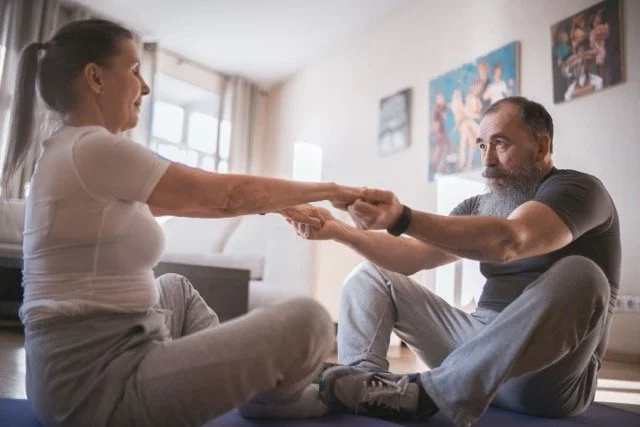
Your digestive system does not work independently of the rest of your body. It relies on coordinated muscle contractions, nerve signals, and the movement of food through the stomach and intestines.
Parkinson’s can affect some of these processes. This is one reason digestive health should be considered alongside mobility, balance, and other aspects of daily function.
Movement offers several ways to support the body’s normal digestive processes.
1. Movement Helps Support Gut Motility
Gut motility is the movement of food and waste through the digestive tract, and Parkinson’s can slow this process by affecting the nerve signals that coordinate digestion. Reduced physical activity may also contribute to bowel difficulties.
Regular movement, such as walking and other suitable exercises, can help support bowel function. Although exercise cannot guarantee normal digestion, it can be a useful part of an overall management plan.
You don’t need to start with intense workouts to become more active. Taking short, regular walking breaks and avoiding long periods of sitting are simple ways to incorporate more movement into your day.
2. Regular Activity Supports the Conditions Needed for Peristalsis
Peristalsis is the series of automatic, wave-like muscle contractions that move food through the digestive tract. Parkinson’s can affect the nerves and muscles involved in digestion, potentially making these movements less efficient and contributing to digestive discomfort and changes in bowel habits.
Although walking cannot directly control or guarantee normal peristalsis, regular physical activity supports overall bowel function and helps reduce inactivity. Making movement a consistent part of your routine can contribute to a broader approach to digestive health.
You don’t need complicated equipment or strenuous workouts to get started. Simple, appropriate movements throughout the day can help you stay active, including exercises that focus on trunk mobility and posture.
3. Trunk Movement Helps You Stay Active and Mobile
Parkinson’s can cause trunk stiffness, making it harder to turn, bend, and rotate during everyday activities. Gentle trunk rotation exercises, such as seated twists and side-to-side reaching, can help you practice these movements and maintain mobility.
Maintaining trunk mobility can make everyday tasks more manageable and help you stay physically active. When turning and reaching become difficult, you may move less throughout the day, so practicing these movements can support your ability to participate in daily routines.
However, trunk rotation should not be considered a direct treatment for slow digestion or a way to correct peristalsis. Instead, include it as part of a well-rounded movement routine, while also paying attention to your posture and body position throughout the day.
4. Upright Posture Makes Everyday Movement Easier
Parkinson’s can affect posture, sometimes causing the trunk to lean forward and making it harder to maintain an upright position. Prolonged sitting or standing can also contribute to stiffness and discomfort, making everyday movement more challenging.
Practicing upright posture during daily activities, such as sitting with family, preparing meals, or walking, helps you work on functional movement and comfort. If stiffness or balance difficulties make this challenging, a physical therapist can recommend appropriate exercises and positions.
Although upright posture is not a proven way to speed up digestion or treat gastrointestinal conditions, it can help make movement more manageable. The goal is to stay active throughout the day, emphasizing consistency rather than exercise intensity.
Why Regular Movement Matters More Than Intensity Alone
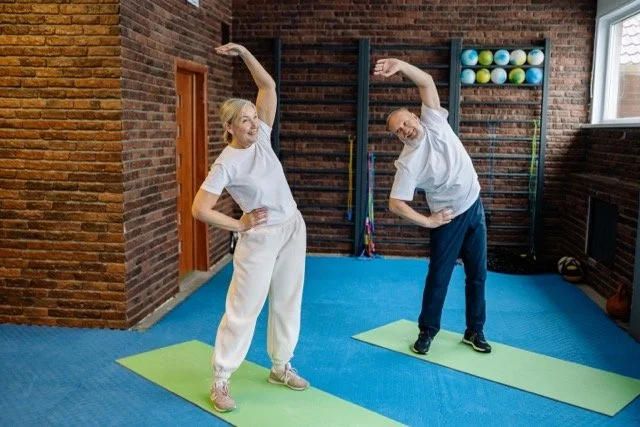
When you hear that exercise is important for Parkinson’s, you might picture a challenging workout that leaves you tired. But supporting digestive health does not require every activity to be intense.
For many people, the more practical goal is to reduce long periods of inactivity and find manageable ways to move regularly.
For example, you could take a short walk around your home, stand up and move between activities, or include gentle mobility exercises in your daily routine. If your balance allows, you might also enjoy dancing, cycling on a suitable stationary bike, or joining a supervised exercise class.
The right activity depends on your mobility, symptoms, fitness level, and other health conditions.
Regular exercise is recommended as part of Parkinson’s management, and research supports its benefits for physical function and several non-motor concerns. However, individual digestive symptoms can have different causes, so exercise should be viewed as one part of digestive wellness rather than a guaranteed solution.
If you have difficulty standing, experience freezing of gait, or are concerned about falling, choose activities appropriate for your abilities and ask your healthcare team for guidance before beginning a new routine.
You do not need to change everything at once. Start by identifying opportunities to move during activities you already do.
Now that we have covered why regular movement matters, let's look at practical ways to include it in everyday life without turning your routine into another source of stress.
Simple Movement Habits for Better Digestive Health
You do not need a gym membership to become more active. Many everyday activities can help you spend less time sitting and maintain the mobility you need for daily life.
Here are a few options to consider.
1. Take Short Walks Throughout the Day

Walking is an accessible way to add movement to your routine. If a long walk feels tiring, consider several shorter walks instead.
You might walk around your home after breakfast, take a short walk in the afternoon, or move around your garden when the weather permits.
Choose a route that feels safe and familiar. If walking independently is difficult, ask your physical therapist whether you would benefit from an appropriate walking aid or supervision.
2. Add Gentle Trunk Rotation

If your physical therapist says it is appropriate, try gentle trunk movements while seated in a stable chair.
You might slowly turn your upper body to look to one side and then the other, staying within a comfortable range. Avoid forcing the movement or twisting through pain.
These movements help you practice trunk mobility, which can support turning and reaching during everyday activities.
3. Break Up Long Periods of Sitting

It is easy to remain seated for hours when watching television, reading, or working on a computer.
Try building movement breaks into your day. Depending on your abilities, you could stand up, walk a short distance, or perform a few movements recommended by your therapist.
If standing is unsafe, seated movements can provide another way to remain active.
4. Practice Upright Posture During Everyday Tasks

You can practice posture without setting aside a separate workout period.
When sitting at the table, notice whether you are comfortably upright. When standing at the kitchen counter, check that you are not leaning forward more than necessary.
These reminders can help you pay attention to posture and body positioning throughout the day.
5. Choose Activities You Enjoy

A routine is easier to maintain when it includes activities you look forward to doing.
Some people enjoy walking outdoors, while others prefer dancing, supervised group classes, or exercising at home. The important thing is to choose activities that match your needs and abilities.
If you are unsure where to start, a physical therapist can help you identify suitable movements and build a routine around your goals.
These simple activities can help you stay engaged in daily movement. But if Parkinson’s makes exercise difficult to plan or perform safely, structured physical therapy may provide the guidance you need.
How Rogue Physical Therapy & Wellness Can Help
Knowing that movement supports overall health is one thing. Finding the right exercises, performing them safely, and maintaining a routine can be another challenge.
Parkinson’s may affect balance, coordination, posture, and mobility. These changes can make it difficult to know which activities are appropriate or how to adjust them when your needs change.
At Rogue Physical Therapy & Wellness, our programs provide opportunities for people with Parkinson’s to work on movement with guidance and structure.
One example of a Parkinson’s-specific movement approach is PWR! Moves. You can explore our PWR! Moves resource to learn more about this approach to Parkinson’s rehabilitation.
While this blog focuses on digestive health, the broader goal of specialized movement training is to help people practice skills that support everyday activities. Maintaining mobility can make it easier to participate in a regular exercise routine, which may also support overall digestive wellness.
We offer two ways to access our programs, depending on where you live and how you prefer to exercise.
In-Person Training at Rogue Physical Therapy & Wellness
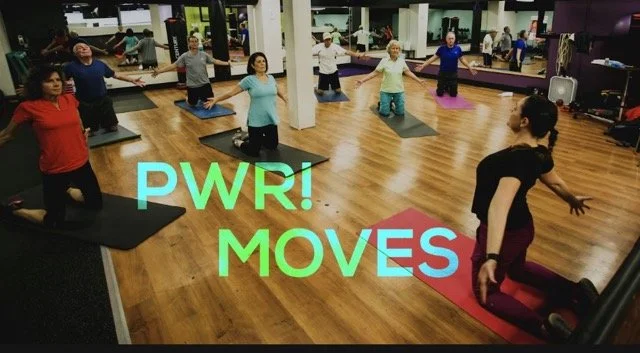
For people who prefer hands-on guidance, our in-person program in Orange County offers a structured environment where you can practice movement with professionals who understand Parkinson’s.
Here’s what members can gain from participating:
Specialized guidance: Work with neurologic physical therapists who understand how Parkinson’s can affect movement, balance, posture, and coordination.
A well-rounded exercise routine: Join sessions that build strength, endurance, range of motion, and functional movements used in everyday activities.
More opportunities to stay active: Choose from approximately 40 classes per week across multiple levels, making it easier to find sessions that fit your abilities and schedule.
Real-time feedback: Get guidance on your movement and effort during class, with adjustments based on your current energy and capabilities.
Exercise that evolves with you: Follow a program that can adapt as your strength, endurance, and fatigue patterns change over time.
Support from people who understand: Connect with others who are navigating Parkinson’s, share experiences, and encourage one another to keep moving.
A regular schedule and access to professional guidance can make it easier to build a consistent movement routine instead of planning every workout on your own.
To learn more about our in-person program and other services:
Exercising From Home With Rogue in Motion

If you live outside Orange County or prefer exercising at home, Rogue in Motion offers an online option.
With guided classes and follow-along videos, you can access structured movement sessions without traveling to a physical location. This flexibility can be helpful when transportation, scheduling, or mobility makes attending in-person classes difficult.
You can choose suitable sessions based on your abilities and routine, while building regular opportunities for physical activity.
The important point is that you do not have to manage every part of your exercise routine alone. A structured program can help you stay engaged and make movement a more consistent part of daily life.
Remember, neither in-person nor online exercise should replace medical evaluation or treatment for digestive symptoms. If you are experiencing persistent bloating, nausea, changes in bowel habits, or other gastrointestinal concerns, discuss them with your healthcare provider.
For more information about digestive health challenges like constipation, you can also explore our dedicated resource, which covers that topic in greater detail.
With the right guidance, movement can become one part of a broader plan for managing Parkinson’s and supporting your overall well-being.
Final Thoughts: Keep Moving in Ways That Work for You
Digestive health is an important part of living with Parkinson’s, even though it does not always receive as much attention as movement symptoms.
The disease can affect the nerves that regulate digestion, while reduced physical activity may contribute to some bowel difficulties. Regular movement supports overall physical function and can play a useful role in maintaining bowel health.
Start with manageable activities. Take a short walk, practice suitable mobility exercises, or find ways to break up long periods of sitting. Choose movements that feel safe and fit your abilities, and build from there.
Most importantly, remember that movement is one piece of the picture. Digestive symptoms may require medical assessment and additional care, so do not assume exercise alone will resolve them.
If you would like help finding a movement routine that fits your needs, Rogue Physical Therapy & Wellness offers in-person and online options to help you stay active with Parkinson’s.
Small, consistent steps can help you maintain an active routine and support your overall well-being, one day at a time.