
How to Progress Parkinson’s Exercises Safely Over Time
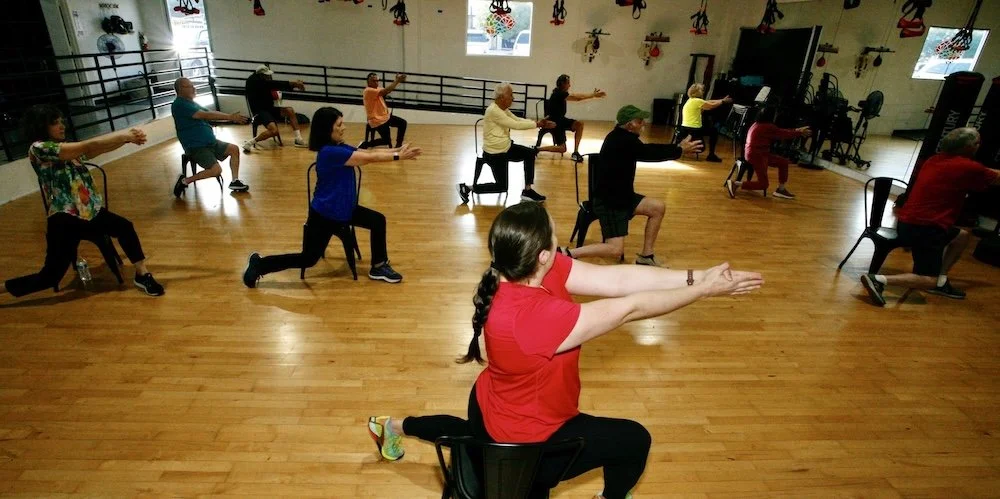
When people first begin exercising with Parkinson’s, the focus is often on learning how to move differently.
How do I move with more intention?
How do I stay steady while moving?
How do I build a routine I can actually keep up with?
That early phase is important because it establishes a foundation for movement that feels more controlled and purposeful. Many people start with structured, amplitude-based Parkinson’s exercises found in programs such as PWR! Moves that help reinforce posture, strength, and coordination through intentional movement.
But once those movement patterns start to feel familiar, another question naturally comes up - and it’s one that often gets overlooked.
How often should I be practicing, and how does my routine need to evolve?
Staying at the same level for too long can quietly slow progress, even when the exercises themselves are well designed. On the other hand, increasing difficulty or frequency too quickly - without a plan - can lead to fatigue, frustration, or safety concerns. Progress with Parkinson’s doesn’t come from pushing harder; it comes from practicing consistently and knowing when small adjustments are needed.
That’s where this blog fits in. Rather than explaining specific movement programs, we’ll focus on how often to practice and how to safely progress an existing routine over time. You’ll learn why frequency matters, how to recognize when your body may be ready for change, and how to build consistency in a way that supports strength, balance, and long-term confidence.
Why Exercise Progression Feels Confusing With Parkinson’s
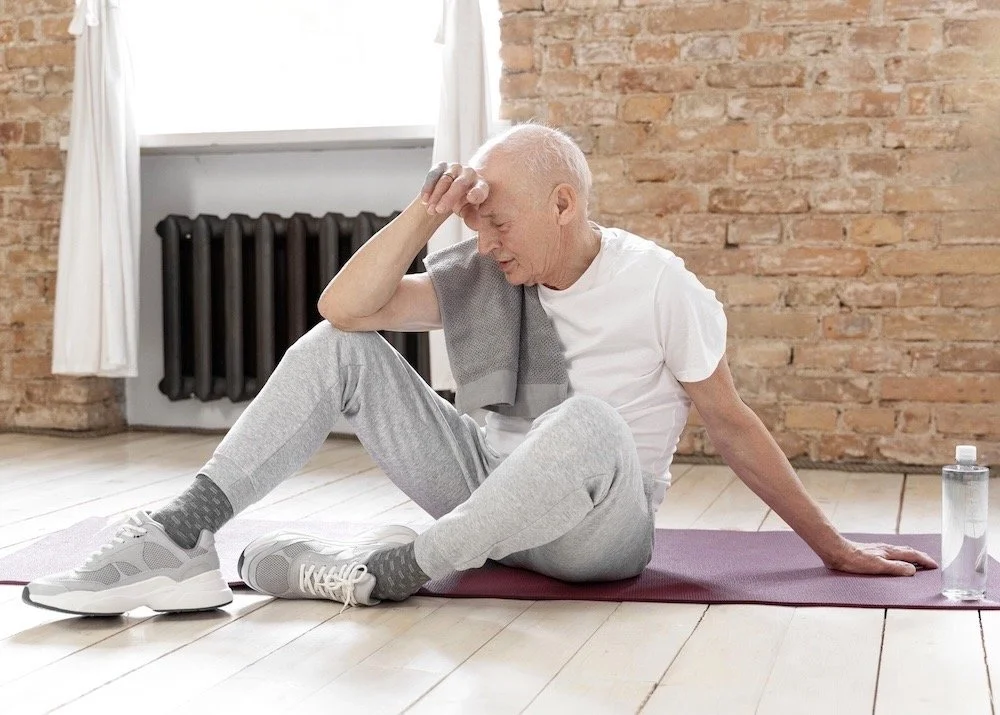
One of the biggest challenges people face with Parkinson’s exercise is uncertainty. Many are told that exercise is essential, but they aren’t given clear guidance on how to evolve their routine. That leaves people stuck between two extremes. Either they keep repeating the same exercises at the same level for months or years, or they try to advance too quickly without enough support.
Parkinson’s symptoms can change day to day. Some mornings you feel steady and strong. Other days, stiffness, slowness, or balance changes show up without warning. That variability makes it hard to judge whether you’re ready to add resistance, move faster, or try a more complex task. Unlike traditional fitness programs, Parkinson’s exercise progression needs to account for both consistency and fluctuation.
Another issue is fear. Many people worry that pushing themselves could make symptoms worse or increase the risk of falling. That fear is understandable, especially if balance has already been affected. But avoiding progression altogether can lead to its own problems, like reduced strength, decreased confidence, and loss of function over time.
To understand why progression matters so much, it helps to look at how Parkinson’s shows up when exercises stop evolving.
What Happens When Exercises Don’t Progress

When Parkinson’s exercises stay at the same level for too long, the body adapts. What once felt challenging becomes routine. That’s not a failure. It’s actually a sign that your nervous system has learned the task. But without progression, those gains can plateau.
One common sign is declining strength. Muscles need gradually increasing demands to stay strong. If resistance, repetitions, or effort never change, muscles stop getting stronger and may slowly weaken. This can affect everyday tasks like standing up from a chair, climbing stairs, or carrying groceries.
Balance is another area that can silently slip. Balance improves when it’s challenged in safe, controlled ways. If exercises never ask you to shift weight differently, narrow your base of support, or manage movement while thinking about something else, balance skills may stagnate. Over time, this can increase fall risk instead of reducing it.
There’s also a confidence component. When exercises feel too easy, people sometimes disengage mentally. Movement becomes automatic rather than intentional. For Parkinson’s, that intentional focus is critical. Without it, movement quality can decline even if you’re still “doing the exercises.”
On the flip side, advancing too quickly can bring its own symptoms. Increased fatigue that lingers for days, more freezing episodes, soreness that doesn’t resolve, or heightened fear during movement are all signs that progression wasn’t well-matched to the body’s readiness.
So how do you move forward without tipping the scale too far in either direction? That’s where thoughtful, step-by-step progression comes in.
How to Progress Parkinson’s Exercises Safely

Exercise progression with Parkinson’s works best when it’s intentional, gradual, and individualized. The goal isn’t to chase intensity. It’s to continue challenging the brain and body in ways that support long-term function, safety, and confidence.
Before diving into specific strategies, it helps to understand one key idea. Progression doesn’t always mean making exercises harder in an obvious way. Sometimes it means changing how you perform a movement, how long you do it, or how much focus it requires.
Let’s break this down into practical approaches you can use, even without a formal program, and then look at how structured support makes progression easier and safer.
A. Generic Ways to Progress Parkinson’s Exercises Safely
1. Increase Repetitions Before Adding Complexity
One of the safest ways to progress is to do more of what you already know. If an exercise feels steady and controlled, adding a few extra repetitions or extending the duration can build endurance without changing the movement itself.
For example, if you’re practicing sit-to-stands, increasing from 8 to 10 repetitions may be enough of a challenge. Pay attention to posture, speed, and breathing as volume increases. If form starts to slip, that’s useful feedback.
Once endurance improves, you’re better prepared for other types of progression.
2. Adjust Speed With Intention

Speed changes how the nervous system works. Moving slightly faster during certain exercises can improve reaction time and coordination. Slowing down can increase control and awareness.
The key is intention. Rather than rushing, choose moments to move faster on purpose, then return to controlled pacing. This might look like standing up more quickly, then sitting down slowly, or practicing larger steps at a brisk pace with a stable support nearby.
Speed progression should always feel deliberate, not chaotic.
3. Add Resistance Gradually
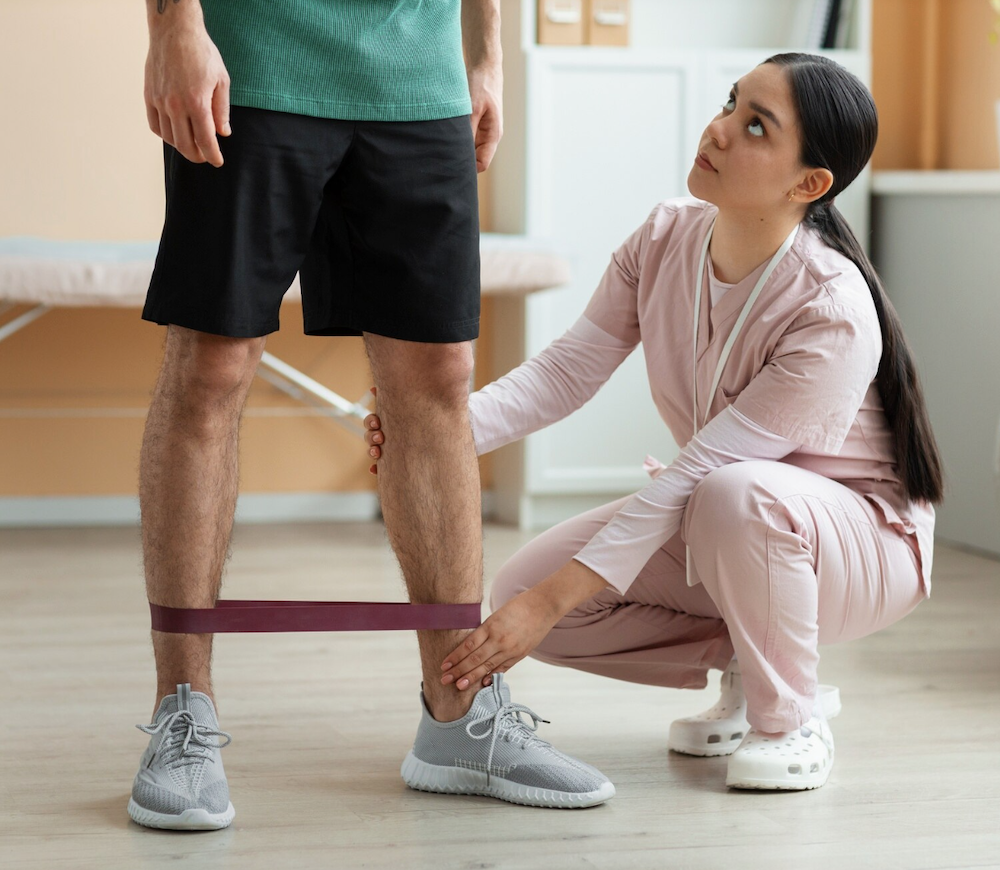
Strength training is a critical part of Parkinson’s care, but resistance should increase slowly. This could mean adding light weights, resistance bands, or even using gravity more effectively.
A simple example is moving from seated leg exercises to standing versions. The movement pattern stays similar, but the demand increases. Another option is holding a light weight during an arm exercise you already know well.
If resistance causes shaking that doesn’t settle or affects balance, it’s a sign to scale back slightly.
4. Change the Base of Support

Balance progression often comes from subtle changes. Standing with feet closer together, shifting weight from side to side, or practicing single-leg support with a hand nearby can all increase challenge safely.
Always progress balance near a counter, chair, or wall. The goal is to feel challenged, not unsafe. Over time, these changes help the body adapt to real-world situations like turning, reaching, or walking on uneven ground.
5. Combine Thinking and Moving
Daily life rarely involves movement alone. Talking, planning, or responding to the environment all happen at the same time. Adding simple cognitive tasks during exercise helps prepare the brain for these demands.
This might include counting repetitions out loud, naming categories, or responding to verbal cues while moving. Start simple and increase complexity gradually. If movement quality drops significantly, reduce the cognitive load and rebuild.
Once you’re comfortable using these strategies, progression becomes less intimidating. Still, many people benefit from having guidance on when to apply them and how to combine them safely. That’s where structured programs come in.
B. Progressing Parkinson’s Exercises With Expert Guidance and Support
1. In-Person Parkinson’s Exercise
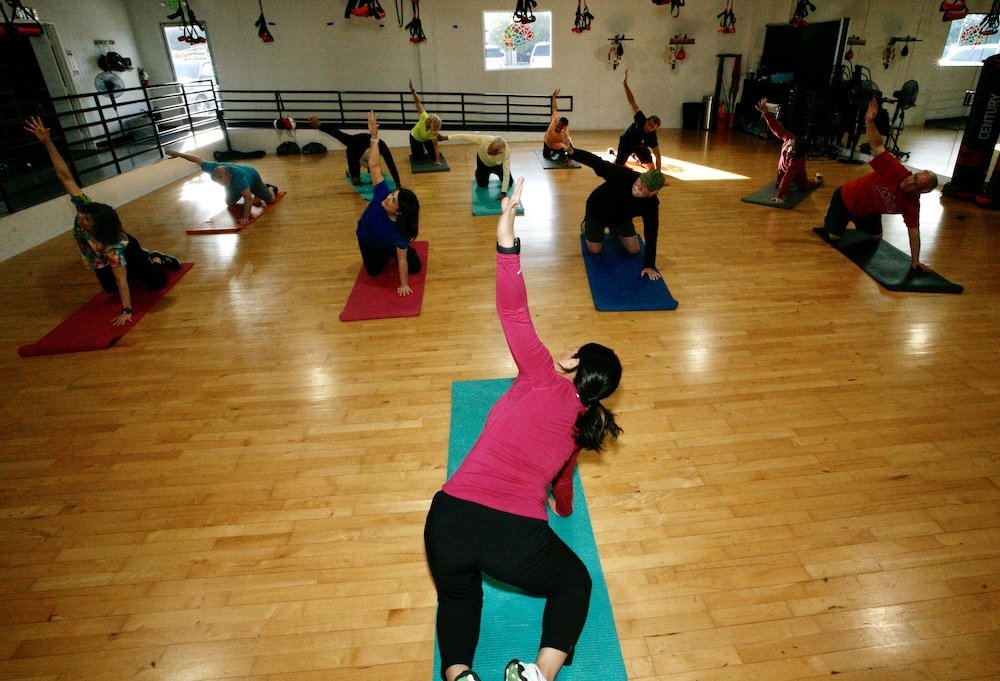
At Rogue Physical Therapy and Wellness in Orange County, California, exercise progression is built into how classes are designed. Many movements are grounded in well-established Parkinson’s movement programs that focus on posture, larger intentional movements, and control. As strength and confidence improve, those same foundations are thoughtfully layered with added resistance, balance challenges, and functional tasks that reflect real-life demands.
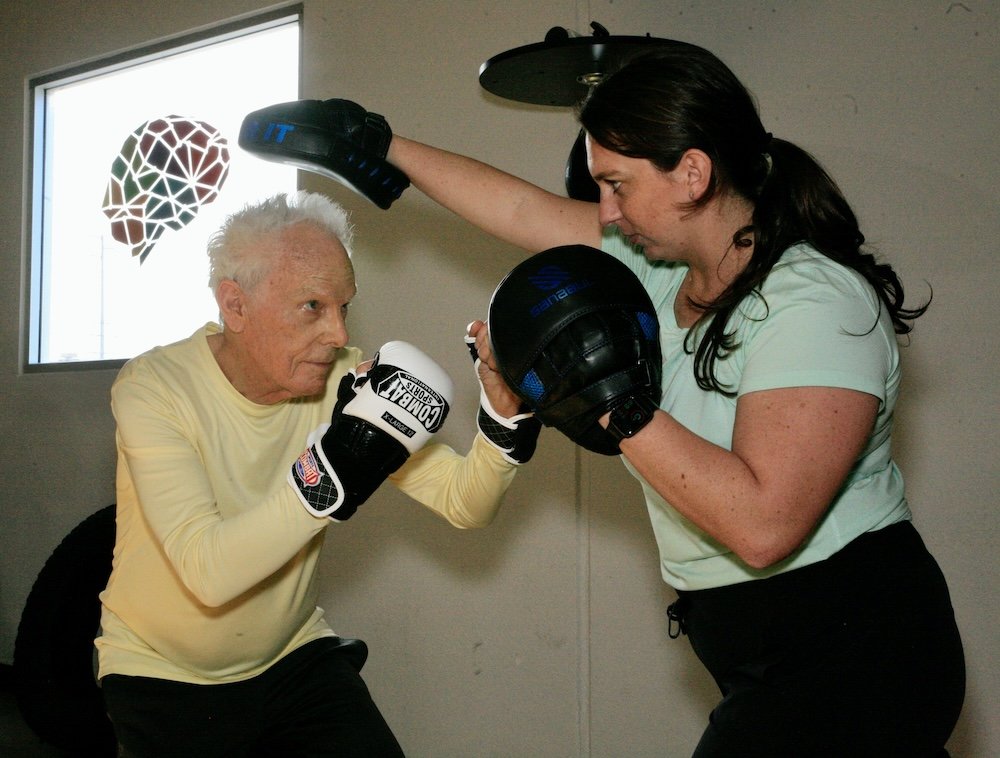
For members training in person at Rogue, progression is guided through hands-on support from Parkinson’s-specialized physical therapists. Therapists cue movement quality, adjust difficulty in real time, and offer immediate feedback - helping members recognize when it’s appropriate to challenge themselves and when it’s wiser to scale back.
This same kind of support is something to look for in Parkinson’s-focused gyms and therapy programs outside of California as well. Having trained professionals who understand Parkinson’s can make progression feel clearer, safer, and far less overwhelming - no matter where you’re located.
At Rogue, classes follow a structured weekly schedule, with about 40 sessions offered across multiple levels. This variety allows members to progress at their own pace while staying consistent. As symptoms and abilities change over time, the program evolves alongside them - turning exercise progression into a guided, supportive process rather than trial and error.
2. Progressing Parkinson’s Exercises at Home
For those who can’t attend in person, Rogue in Motion offers a way to continue progressing at home with clarity and structure. The online platform provides access to a large library of Parkinson’s-specific exercise videos that range in difficulty, making it easier to return to foundational movements when needed and advance when you’re ready, without guessing what comes next.
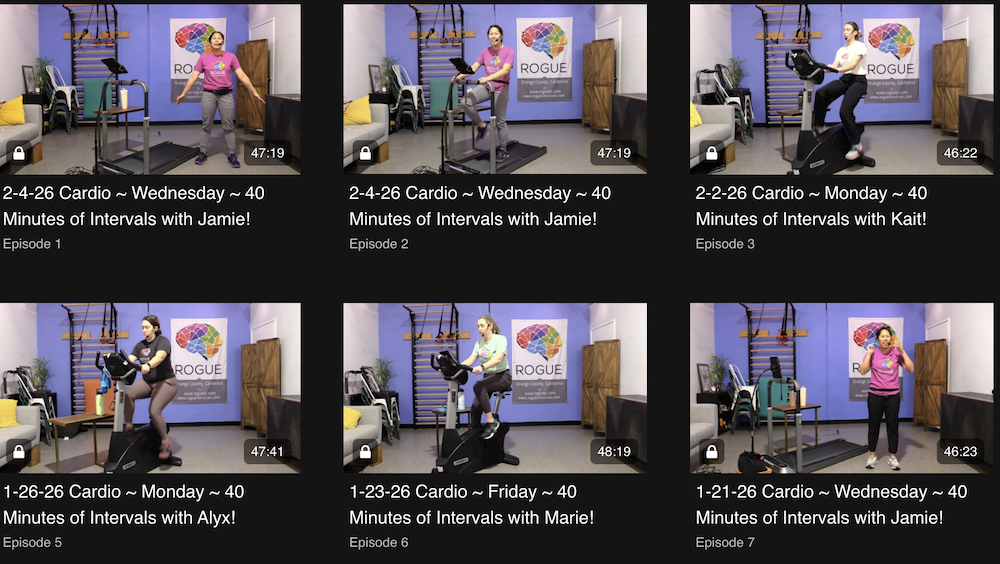
A key part of safe exercise progression is frequency. Progress rarely comes from occasional hard workouts. It comes from regular movement, even on lower-energy days. Consistent practice helps the brain reinforce movement patterns and gives the body time to adapt gradually, rather than reacting to sudden spikes in effort.
Rogue in Motion is designed to support that consistency without pressure. Live Zoom classes are offered five days a week to help establish a routine and maintain accountability. On-demand videos are available anytime, so if life gets busy, you can still stay on track without feeling like you’ve fallen behind.
With access to over 3,000 follow-along Parkinson’s-specific videos, members can choose workouts that match how they’re feeling on any given day. Some sessions focus on strength or boxing, while others emphasize balance, cardio, or speech. This variety supports ongoing progression while reducing the risk of overworking the same systems.
The program also includes interactive Q&A sessions with a neurologic physical therapist, offering guidance as symptoms change and questions come up. Alongside that, the community plays a meaningful role. Seeing familiar faces, sharing progress, and showing up together makes consistency feel supportive rather than overwhelming.
Together, routine, flexibility, professional guidance, and community create the right conditions for safe, long-term progression. When exercise frequency is supported this way, advancing Parkinson’s exercises becomes a steady process instead of a risky leap.
Final Thoughts: Progression Is About Confidence, Not Just Challenge
Progressing Parkinson’s exercises safely over time is less about doing more and more and more about doing what’s appropriate at the right moment. Small, thoughtful changes add up. Increasing repetitions, adjusting speed, adding resistance, challenging balance, and combining movement with thinking all help keep the nervous system engaged.
The biggest mistake isn’t moving too slowly or too quickly. It’s standing still out of uncertainty. With clear strategies and supportive guidance, progression becomes manageable and safe.
If you’re just getting started, focus on building strong foundations through well-designed Parkinson’s movement programs. If you’ve been exercising for a while, take time to evaluate whether your routine is still challenging you in meaningful ways.
Whether in person at Rogue Physical Therapy and Wellness, another Parkinson’s-focused gym near you, or online through Rogue in Motion, having access to Parkinson’s-specialized physical therapists makes progression clearer and less overwhelming. You don’t have to guess when to advance or how to adjust. You can move forward with confidence, knowing your exercises are supporting strength, balance, and independence over time.
Safe progression isn’t about chasing difficulty.
It’s about choosing the right challenge at the right time, and letting consistency do the rest.